Indoor renovation in winter: why demand climbs
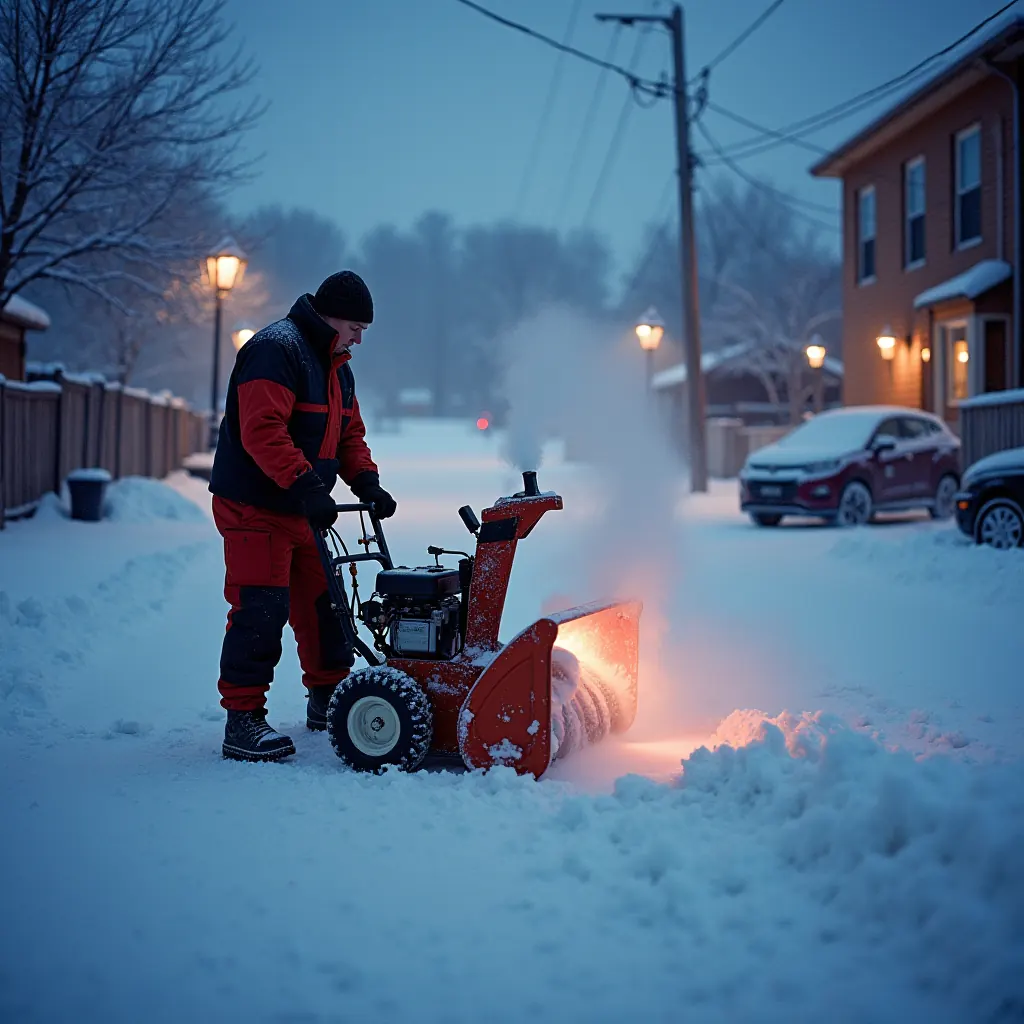
Late November. The last paving job is closed, the first snowfall is covering the cones, and the phone rings: "Could you repaint the living room before Christmas?" While it freezes outside, the work heats up inside. Here is why winter renovation demand moves indoors, and how to make the most of it, whether you are a worker, self-employed or a business.
Why the work moves indoors when it gets cold
Winter does not make renovation disappear: it moves it to another room. Every year, the same reasons add up:
- The outdoors shuts down. Frozen ground, snow, short days: landscaping, paving, roofing and exterior painting slow down or stop. Crews look for work under a roof.
- People are home. We spend more time inside, and we notice everything: tired paint, the creaky floor, the bathroom that has seen better days.
- The holidays are coming. Hosting the family is clients' favourite deadline. "Living room repainted before the 24th" is a classic.
- The cold exposes defects. Drafts, cold walls, condensation on windows: insulation and air sealing move up the list.
- Spring is prepared in winter. An owner who wants to sell or rent in the spring often renovates first.
There are official deadlines too. Under the Government of Québec's Rénoclimat program, owners who already had their pre-retrofit energy evaluation under the old rules must finish their work and get the post-retrofit evaluation by March 31, 2027. For those insulation projects, winter is the last window. The program's rules changed on October 1, 2026: always send your clients to the official page.
Do it now: go see what is really moving. On the GPP Emploi home page, the "Ce que personne d'autre ne voit" (what nobody else sees) section shows, live, the requests taken by trade and by region.
The trades that benefit from winter
When the job site moves indoors, finishing trades mostly take over. Here are the typical jobs and the Régie du bâtiment du Québec (RBQ) licence subclass a business needs to do them for others:
| Trade | Typical winter jobs | RBQ subclass |
|---|---|---|
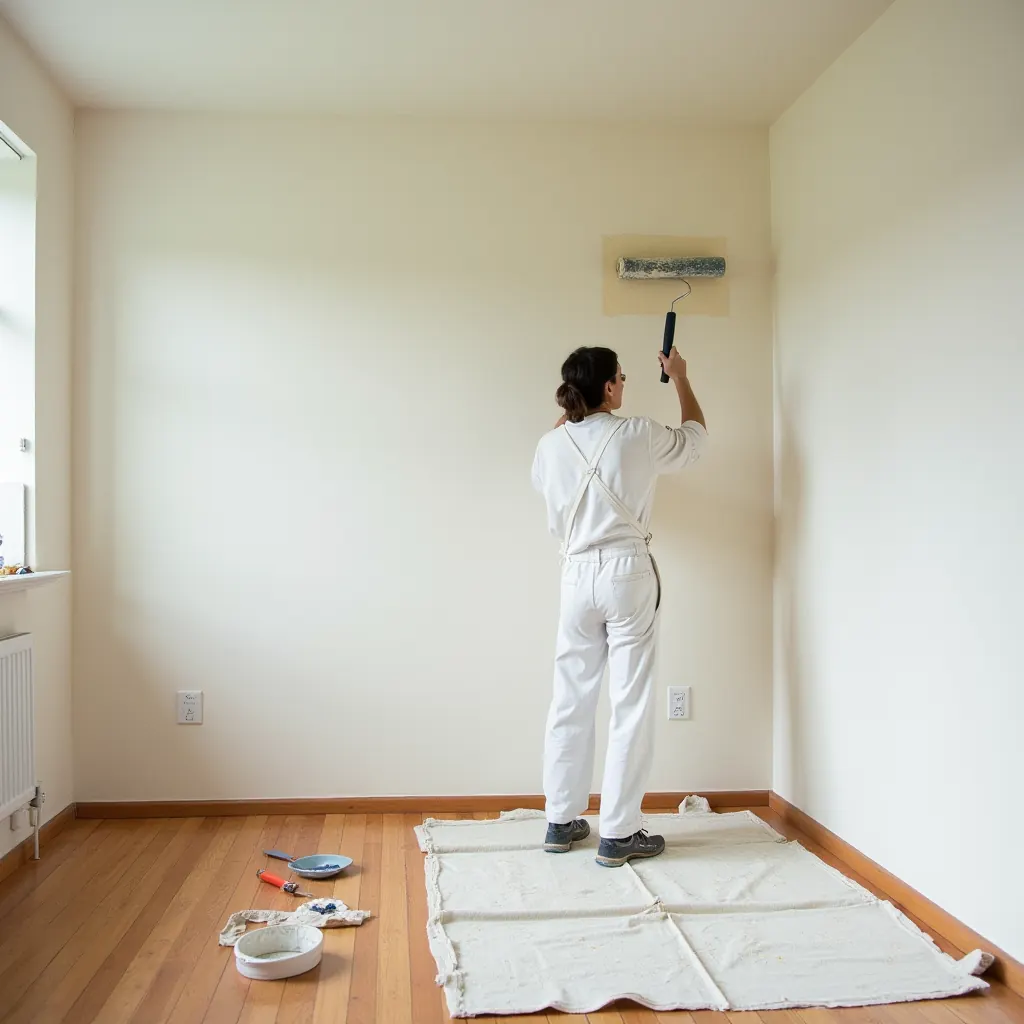
| Painting | Walls, ceilings, trim, stairwells | 9 – Interior finishing |
| Flooring | Hardwood, floating floors, sanding and varnishing | 9 – Interior finishing |
| Tile | Backsplashes, floors, shower walls | 4.2 – Non-structural masonry, marble and ceramics |
| Cabinets and counters | Kitchens, bathroom vanities | 12 – Manufactured cabinets and counter tops |
| Insulation | Attics, basements, air sealing | 7 – Insulation, waterproofing, roofing and siding |
This table gives the main subclass; a project may require others, and plumbing and electrical work have their own rules. The RBQ's online guide lets you confirm based on the work. If you are an employee, the licence is not your problem: the business must hold it. For you, your cards and experience are what count.
Do it now: find the two trades in the table closest to what you already know how to do, then check the painting page.
Workers: get in position before the rush
Spent the summer in landscaping, roofing or paving? You already have skills that are worth a lot indoors: material handling, surface prep, protecting the premises, site cleanup, showing up at 7 a.m. sharp. A painting contractor short on hands in December is not always looking for an expert. They are looking for someone reliable who learns fast.
One nuance to know: according to the Commission de la construction du Québec (CCQ), the R-20 Act does not apply to maintenance, repair, renovation or alteration work done for a private individual in the dwelling they live in. In other settings, such as stores or rental buildings, it may apply and require a competency certificate. When in doubt, check with the CCQ before you accept.
On GPP Emploi, add the indoor trades you can do to your profile and list your cards in your Passport (ASP Construction, driver's licence, first aid). Set your alerts: by email right away, or as a daily or weekly summary, and by text for matches of 85% and up. It is free, and your name stays hidden until you accept an employer.
Do it now: update your profile with at least one indoor trade, then turn on "Available now": 48 hours at the top of employers' lists.
Self-employed: the licence before the brush
Want to take on painting or flooring contracts on your own this winter? The RBQ's basic rule: anyone who carries out construction work or has it carried out must hold a licence, unless the law provides an exemption. And the RBQ reads "for profit" broadly: an exchange of services or reduced rent can be enough. Repainting your brother's balcony for free is fine without a licence. Repainting the neighbour's for a cheque is another story.
Interior and exterior painting, and floor, wall and ceiling coverings, fall under subclass 9, Interior finishing. On GPP Emploi, add your licence to your Passport: our team checks it in the public register, then a badge appears. Some construction work also requires a verified RBQ licence to submit a quote.
A winning winter quote plans for what summer forgets:
- protecting floors from snow and slush (mats, shoe covers);
- the schedule with a family at home (remote work, kids, pets);
- ventilation and drying time with the windows closed;
- a realistic end date, before or after the holidays, stated clearly;
- payment stages, in writing.
On the platform, you sign the contract and deliver in stages; after each stage is delivered, the client has 72 hours to accept or dispute it, otherwise it is accepted automatically.
Do it now: before your first quote, check in the RBQ's guide that your licence really covers the work you want to offer.
Businesses: hire before the order book overflows
The classic trap: waiting until the order book is full to look for people. In December, everyone is looking at the same time. Hire while you still have time to train.
- Post a "Job offer" for an employee (you set the schedule and supervise the work), or a "Quote request" when you want a result delivered by a self-employed worker who sets their own price. Posting is free; the posting runs for 45 days.
- Search the profile bank with the "available now" filter: profiles are ranked by how well they match your posting.
- You only pay for results, when a contact is accepted: 2 credits in general, or $50 (the price can vary by trade and region).
- Turn on the Central signal: when your business takes more requests than usual in GPP Central, you are immediately shown the available workers near you.
In your posting, be precise: trade, region, winter schedule, hourly rate. Every posting is checked automatically before publication, including for the minimum wage, which has been $16.60 an hour since May 1, 2026. To go further, read Recruiting through a labour shortage: a guide for small service businesses.
Do it now: write your posting today, even if you only need help in three weeks. Everything is explained on the employers page.
Indoors in winter: the traps to avoid
Working in the warmth has its own dangers. The first one cannot be seen or smelled: carbon monoxide. The CNESST points out that cold weather increases the risk, because workspaces are kept closed, and that temporary fuel-burning heaters, generators and pressure washers are typical sources. Headache, nausea, dizziness: get some fresh air and tell your supervisor. Prevention measures: vent the gases outside, ventilate well, install CO detectors or switch to electric equipment.
The rest is common sense, but that is where clients form their opinion:
- Do: a mat at the entrance, shoe covers, a spot for boots.
- Do: tarps and tape on doorways to keep dust in the room.
- Do: a note at the end of the day: what is done, what comes tomorrow.
- Don't: sand a floor with the cat underfoot.
- Don't: promise "before Christmas" on December 18 without having seen the job.
Remember this: slush on a freshly varnished hardwood floor makes nobody laugh. Except maybe the sander who gets to come back and redo it.
Do it now: if you work with fuel-burning equipment, add a CO detector to your toolbox.
The bottom line
Winter does not close the job site, it moves it to another room. Update your profile or your posting before the first storm, and to see every trade that hires in the cold season, read Winter jobs in Quebec: the trades hiring from November to March.
Frequently asked questions
Is it a good idea to renovate in winter?
For indoor work, often yes: painting, flooring, tile or a bathroom do not depend on the weather. You need to plan for snow protection, ventilation and the schedule of a family at home. Exterior work, on the other hand, is harder in cold weather.
Can you paint the inside of a house in winter?
Yes. Follow the application temperature and drying time on the can, and ventilate during and after. If a fuel-burning heater is used on the job, the CNESST stresses the importance of ventilation and carbon monoxide detectors.
Do you need an RBQ licence to do painting?
To paint for others for profit, generally yes: painting falls under subclass 9, Interior finishing. The RBQ considers that an exchange of services can be enough to require a licence. For your specific case, use the RBQ's online guide or contact it.
Do you need a CCQ card to renovate for a homeowner?
According to the CCQ, the R-20 Act does not apply to maintenance, repair, renovation or alteration work done for a private individual in the dwelling they live in. In other settings, such as stores or rental buildings, it may apply. The contractor's RBQ licence is a separate question.
Where can I find renovation work in winter?
On GPP Emploi, self-employed workers answer quote requests with their price, and employees can apply to postings or get invited by employers. The home page shows, live, the requests taken by trade and region. Update your profile before the holidays, when demand moves indoors.
Sources
- Work requiring a licence - Régie du bâtiment du Québec
- Specialized contractor's licence – Subclasses - Régie du bâtiment du Québec
- Exclusions - R-20 Act (CCQ)
- Exposure to carbon monoxide (CNESST)
- Conditions d'admissibilité au programme d'aide financière Rénoclimat (Québec.ca, in French)
- Aide financière Rénoclimat pour améliorer l'isolation d'une habitation (Québec.ca, in French)
- Wages (CNESST)