Smart homes and connected heat pumps: the new trades
Tuesday, 8 a.m. You show up at a client's place to install a heat pump, and the first question isn't about the compressor: “Will I be able to control it from my phone?” Welcome to the smart home. Traditional trades aren't disappearing: they're gaining a new layer of skills. Here's what those skills are, the permits that come with them, and where to learn them.
What's really changing at the client's home
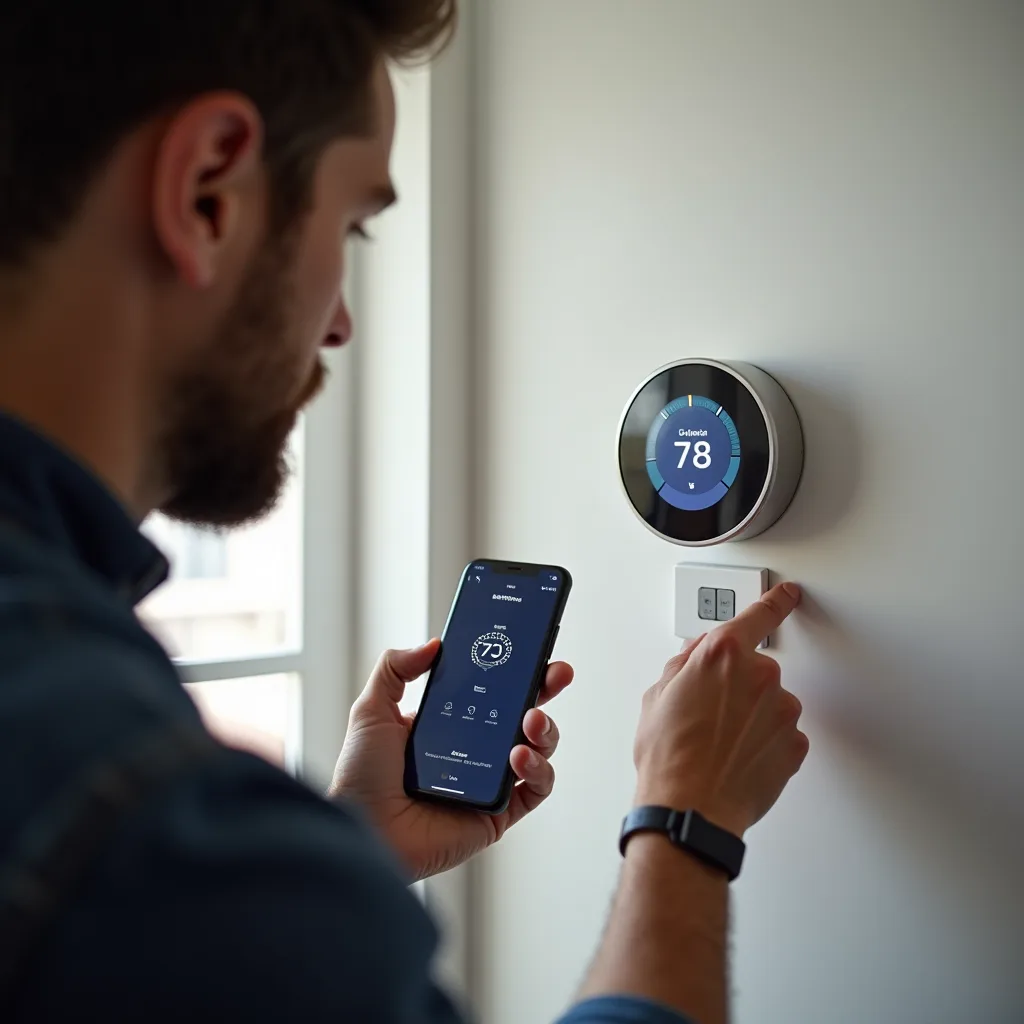
Ten years ago, a thermostat was a dial on the wall. Today, in many homes, it's a Wi-Fi device that learns the household's habits, talks to the heat pump and sends an alert when the cottage gets too cold. Same thing for locks, cameras, water leak detectors and electric vehicle chargers.
The core of the trade doesn't change. A badly sized circuit is still dangerous, and a badly installed heat pump is still noisy and inefficient. What's new is everything that happens after the last connection: pairing the device, setting it up, explaining it and answering the client who calls back because “the app stopped working.” Artificial intelligence isn't replacing the technician; it's giving them more things to hook up. We dig into that idea in Will AI replace the service trades? What is really changing.
The trades most affected:
- Electrician: EV chargers, thermostats, solar panels, load management.
- Refrigeration mechanic and HVAC technician: connected heat pumps and their controls.
- Security system installer: alarms, cameras, access control, smart locks.
- Handyman and in-home computer help: installing and setting up simple devices.
Do it today: list the connected devices you've worked on at clients' homes this month. That's the starting point of your training plan.
Connected heat pumps: refrigeration first, setup second
For many people, the heat pump is the gateway to the smart home. Hydro-Québec's LogisVert program subsidizes installation, and in June 2026, Quebec and Hydro-Québec announced a free stream for 20,000 low-income households: heat pumps now, then doors, windows and smart thermostats starting in 2027. For the market picture, read Heat pumps and energy efficiency: a market that is hiring.
But before you talk apps, there are qualifications. According to Québec.ca:
- The Class 2 refrigeration system certificate (SF-2) is required for refrigeration work for air conditioning done outside construction sites as defined by the CCQ: installing, maintaining, repairing and modifying systems from 200 W to 20 kW. It takes at least 2,500 hours of apprenticeship under a certified worker's supervision, mandatory courses and an exam. The certificate is valid for four years.
- The environmental qualification certificate for halocarbons (H) is required to install, maintain, repair or dismantle refrigeration or air-conditioning equipment that runs on a halocarbon. You get it after training and a 25-question written exam (passing grade: 70%).
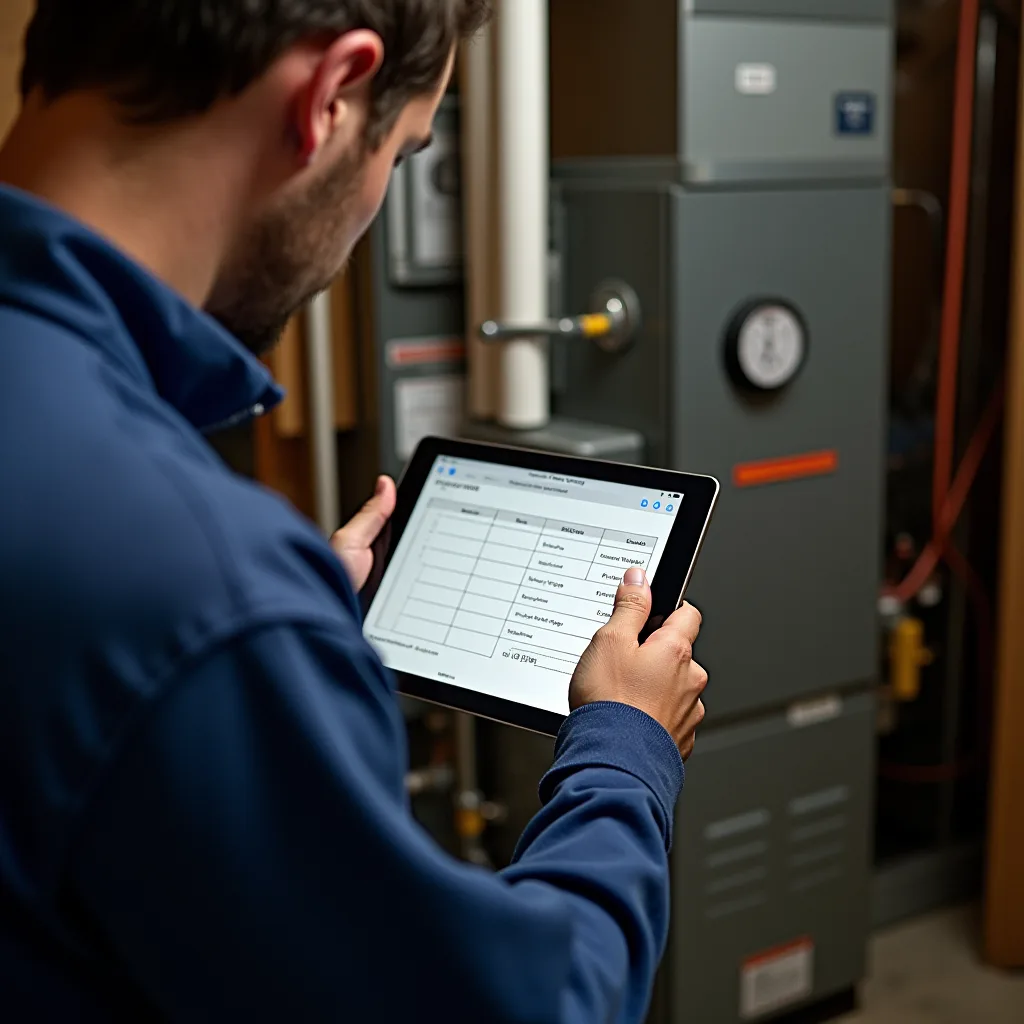
Once you have those basics, the “connected” part comes quickly: pairing the heat pump with its thermostat or app, setting schedules, and showing the client how not to undo everything. That last quarter-hour often makes the difference in reviews.
Do it today: check the expiry date of your SF-2 certificate if you have one, and put a reminder in your calendar three months ahead.
EV chargers and solar: electricians' territory
Every electric car that pulls into a driveway often means a charger to install. Québec.ca is clear: under the Construction Code, electrical work must be done by an electrical contractor holding a licence from the Régie du bâtiment du Québec (RBQ). The page points to the directory of the Corporation des maîtres électriciens du Québec (CMEQ) to find one. And a client applying for Écorecharge financial assistance has to attach the installation invoice to the application, so a clear invoice is a real service to them.
In the field, a charger is almost never “just an outlet.” You need to check the panel's capacity, plan the cable route, think about snow clearing around an outdoor charger and, more and more, set up scheduled charging in the app. Residential solar panels add the same layer: electrical hookup, then production monitoring on a screen.
Good news for young people on the fence: in its 2026–2030 outlook, the CCQ lists electricians among the trades with particularly favourable prospects.
Do it today: if you're an electrician, add “EV chargers” to your profile description, with the types of installations you've already done.
Home automation and security: the permit many people forget
Cameras, alarms, smart locks, access control: this is the most visible part of the smart home. It's also where a permit often flies under the radar. Quebec's Private Security Act covers activities related to electronic security systems, including installing, repairing, maintaining and remotely monitoring alarm, camera or access-control systems.
What the Act provides, in short:
- A person who carries out this activity must hold an agent permit in the “electronic security systems” class; a business offering these services must hold an agency permit.
- To get the agent permit, you must, among other things, have completed the required training, be at least 18 and be of good character.
- There are nuances, for example for someone doing this work for an employer whose business is something else. For your specific situation, check with the Bureau de la sécurité privée (BSP).
It's worth the effort: the CCQ also ranks security system installers among the trades with favourable prospects through 2030. Job ads and profiles for this trade are grouped under security systems and home automation.
Do it today: if you already install cameras or alarms “on the side,” check this week whether your activity requires a permit.
The skills to add to your toolbox
The smart home doesn't require you to become a programmer. It asks you to be comfortable with a few basics, and above all to have good habits at the client's home. A badly configured connected device is an open door for a hacker; so is a password written on a scrap of paper taped to the electrical panel.
Master these:
- Wi-Fi basics: 2.4 vs 5 GHz band, signal range, router too far from the garage.
- Pairing devices and updating their software.
- A simple five-minute explanation for the client, no jargon.
- A job completion sheet: model, settings, support contact.
Avoid these:
- Creating the device account in your name or with your email.
- Keeping the client's passwords.
- Leaving a camera's default password in place.
- Promising that a thermostat “does everything on its own.” It doesn't take the garbage out yet.
Do it today: draft a one-page job completion template and use it on your next installation.
Where to learn, and how to show it to employers
Good news: you don't have to start over. Most smart home skills build on a base trade. A few concrete paths:
- The base trade: electrician, refrigeration mechanic or security system installer. For the SF-2, a Quebec DEP (vocational diploma) in refrigeration earns you reductions on the apprenticeship.
- Regulatory training: halocarbon training is offered online by CSMO EnviroCompétences or by school service centres, before the exam.
- Manufacturer training: short and practical, it teaches you to set up a specific product line.
- Practice: at home, on your own thermostat or camera, before touching one at a client's place.
Then you need to make it visible. On GPP Emploi, your passport groups your cards and licences (RBQ licence, driver's licence, first aid…). Our team checks licences against the public register, then a badge appears. Also add neighbouring trades, like electrical work or heat pumps and air conditioning: the trade counts for 35 points out of 100 in the match score. Do installations on your own account? Turn on “Des contrats à mon compte” (contracts on my own account) to answer quote requests.
Do it today: create or update your profile and add every card and certificate you hold.
The bottom line
The smart home doesn't replace your trade: it adds a screen to it. Keep your qualifications current, learn to set up what you install, and the client who asks “Does it work with my phone?” will become your best client.
Frequently asked questions
What certificate do you need to install a heat pump in Quebec?
According to Québec.ca, refrigeration work for air conditioning done outside construction sites as defined by the CCQ requires the Class 2 refrigeration system certificate (SF-2). Handling a halocarbon also requires the environmental qualification certificate for halocarbons (H). On a construction site covered by the CCQ, CCQ rules apply.
Who can install a home EV charger in Quebec?
Under the Construction Code, electrical work must be done by an electrical contractor holding an RBQ licence. Québec.ca recommends using the directory of the Corporation des maîtres électriciens du Québec to find one.
Do you need a permit to install cameras or alarm systems?
Quebec's Private Security Act covers installing, maintaining, repairing and remotely monitoring electronic security systems. A person who carries out this activity generally needs an agent permit in that class. For your specific case, check with the Bureau de la sécurité privée.
Do smart home jobs have a future?
Public signals are positive: the CCQ lists electricians and security system installers among the trades with favourable prospects for 2026–2030. Smart thermostats are also being added in 2027 to LogisVert's stream for low-income households.
How do you train in home automation?
The most solid path is to start from a base trade, such as electrician, refrigeration mechanic or security system installer, then add manufacturer training and practice. Regulatory training, like the halocarbon course, is offered online and in school service centres, among other options.
Sources
- Certificat en système frigorifique, classe 2 (SF-2)
- Certificat de qualification environnementale en halocarbures (H)
- Travaux d'installation d'une borne de recharge à domicile
- S-3.5 - Loi sur la sécurité privée
- Efficacité énergétique - Un meilleur accès aux thermopompes et à des travaux en efficacité énergétique pour les Québécois à revenu modeste
- Perspectives professionnelles 2026-2030 : La construction, secteur pilier de l’économie, maintient d’excellentes perspectives professionnelles