Liability insurance for the self-employed: mandatory or not?
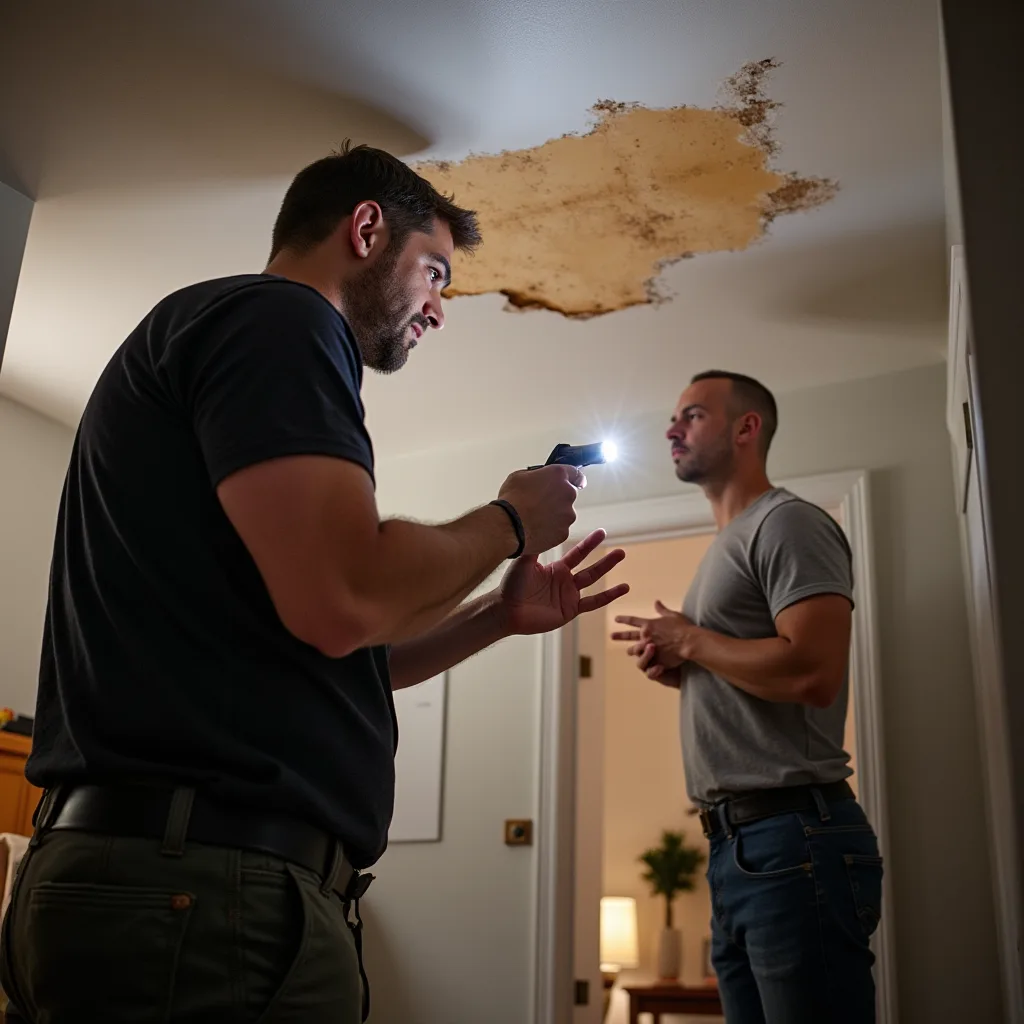
You're painting a living room. The stepladder slips and the gallon of paint lands on a rug worth more than your contract. Or worse: the client trips over your extension cord on the stairs. Who pays? Without liability insurance, the answer may well be you. Here's when this insurance is mandatory, what it really covers and the questions to ask before you sign.
Required by law? Rarely, but there are exceptions
Good news first: for most service trades, no law requires a self-employed worker to carry general liability insurance. A window washer, a virtual assistant or a handyman can legally work without it. The obligation comes from specific situations instead:
- Your vehicle: according to the Société de l'assurance automobile du Québec (SAAQ), Québec's Automobile Insurance Act requires the owner of a vehicle on Québec roads to carry liability insurance of at least $50,000 for property damage caused to others. This insurance is sold by private insurers.
- Your RBQ licence: construction contractors must provide a licence security bond. According to the Régie du bâtiment du Québec (RBQ), it's $20,000 for a specialty contractor and $40,000 for a general contractor. Careful: a bond is not liability insurance. It's used to compensate a client who suffers a loss, for example from unfinished work, defective work or lost deposits. The defects covered must be discovered within one year after the work ends.
- Your professional order or corporation: if you're a member, check its requirements directly.
Worth watching: in February 2026, the RBQ published for comment a draft regulation that would raise the bond to $30,000 for a specialty contractor and $60,000 for a general contractor. As of November 1, 2026, the RBQ's page on bonds still lists $20,000 and $40,000. Check the amounts in effect on the RBQ website before you renew your licence.
Do it today: pull out your car insurance certificate. Does your insurer know you use your vehicle for work? If you're not sure, call them.
Required by contract: when the client asks for it
In real life, it's mostly the client who makes insurance mandatory. A property manager, a condo association, a municipality or a general contractor who hands you part of a job site will often ask for proof of insurance before letting you in. No certificate, no contract.
What you're usually asked for:
- A certificate of insurance in your business's name, showing the coverage amount.
- Sometimes, adding the client as an additional insured on your policy.
- Coverage that stays in force for the whole length of the contract.
Even a residential client may ask, especially for roofing, tree trimming or exterior painting. Answering "Yes, here's my certificate" in ten seconds is a selling point. For the rest of the contract, Writing a winning quote: template and mistakes to avoid helps you build a clear quote.
Do it today: reread your last three contracts or calls for tenders. Did they require insurance? For how much? Write it down.
What liability insurance generally covers
General liability insurance protects you against claims from third parties: a client, a neighbour, a passer-by. Basically, it kicks in when your work causes damage to someone else or their property.
| Situation | Generally |
|---|---|
| Your mower throws a rock through the neighbour's window | Often covered: property damage to others |
| A passer-by slips on your work site and gets hurt | Often covered: injury to a third party |
| Water damage linked to your work shows up after you leave | Depends on the policy: ask whether completed work is covered |
| You have to redo your own faulty work | Often excluded |
| You get hurt yourself | Not covered: that's a different protection |
| Your tools are stolen from your truck | Not covered: you need property insurance |
This table shows trends, not promises. Every policy has its own definitions, exclusions and deductible. The only answer that counts is the one written in your insurance contract.
Do it today: if you already have a policy, find the exclusions section and read all of it. It's less exciting than a playoff game, but it can be worth a lot more.
What it doesn't cover: the gaps to fill
Many self-employed workers think they're covered for everything. Costly mistake. Here are the most common gaps, and what can fill them:
- Your own injuries: your liability insurance won't pay you if you fall off a ladder. Under Québec's Act respecting industrial accidents and occupational diseases, a self-employed worker can register with the CNESST to get the protection of that Act. It's voluntary: ask the CNESST about the conditions and cost.
- Your tools and equipment: you need property insurance, separate from liability. Small consolation: according to the Canada Revenue Agency, regular commercial insurance premiums on the buildings, machinery and equipment you use in your business are deductible, and vehicle premiums are deducted with your vehicle expenses. The article Self-employed taxes: deductible expenses and instalment payments helps you sort those expenses.
- Advice errors: if your work involves advising, designing or planning (interior design, plans, inspection), professional liability comes into play, a different protection.
- Your vehicle: a fender bender on the way to a client falls under your auto insurance.
- Undeclared activities: if your policy describes interior painting and you climb onto roofs, don't take anything for granted.
Another, more down-to-earth gap: getting paid. Insurance doesn't replace a good contract. On GPP Emploi, protected payment isn't offered yet: the client pays you directly according to the schedule signed on the platform. A clear schedule, in stages, remains your best protection against a client who's slow to pay.
Do it today: list your tools with their approximate replacement value. It's the first question you'll be asked when insuring them.
Three trades, three typical cases
Big principles are nice. But the real question is: in my trade, what can happen on an ordinary Tuesday? Three typical situations, and what they teach you about your policy.
Snow removal: the blade and the garage door
Six in the morning, zero visibility. Your blade clips the corner of a garage door, or tears up a strip of lawn the client will discover in April. First question: which insurance responds? Damage caused by the truck may fall under your auto insurance rather than your liability insurance. Ask your broker, in black and white, which one applies when the blade damages property in a private driveway. Reread your contract too: if it includes spreading abrasives, a fall on an icy front step can become your problem.
Housekeeping: the vase and the keys
You dust a shelf and a family vase ends up in pieces. Or you lose a client's keys and they have to change their locks. Many policies treat property in your care separately: ask whether the items you handle at the client's place are covered, and whether lost keys are too.
Landscaping: what sleeps under the lawn
You're installing edging and your shovel cuts a buried irrigation line or a lighting wire. Have underground installations located before you dig, and keep proof of it in your file. Then check that your policy properly describes small excavation work.
The day it happens anyway
- Secure the area and make sure nobody is hurt.
- Take photos before you touch anything.
- Notify your insurer or broker the same day.
- Avoid promising the client you'll pay for everything before you've talked to your insurer: a policy generally asks you not to admit liability without its consent. Check what yours says.
- Keep a copy of the contract, the quote and your messages with the client.
Do it today: write down, in one line, the worst realistic accident in your trade, then ask your broker which part of your policy would respond to it.
Questions to ask your broker
A damage insurance broker compares offers for you. Before you hand over your file, check that they're authorized: the Autorité des marchés financiers (AMF) Register of firms and individuals authorized to practise lets you check whether the business or person can advise you on or sell you the product being offered.
Then come prepared. Questions to ask:
- What coverage amount do you recommend for the type of clients I have, and why?
- What's the deductible per claim?
- Are all my activities described correctly in the policy?
- Am I covered for damage that shows up after the work is finished?
- Are my subcontractors covered by my policy, or do they need their own?
- Can I add a client as an additional insured, and how fast can I get a certificate?
- What do I need to declare if I use my personal vehicle for work?
- Are my clients' belongings that I handle, and their keys, covered?
- What's excluded, in black and white?
Compare at least two proposals, and not just on price: the deductible and exclusions make all the difference on the day you file a claim.
Do it today: copy these nine questions into your phone. You'll use them at your next renewal.
Insurance as a selling point
Insurance isn't just an expense. It signals that you're serious. A client torn between two quotes often picks the one that answers their questions before they ask.
On GPP Emploi, you turn on "Des contrats à mon compte" (contracts on my own account) in your profile, then answer requests for quotes with your price. The contract is signed on the platform and you deliver in stages: after a stage is delivered, the client has 72 hours to accept or dispute it. Everything is explained on the self-employed page. In your quote, mention that you're insured and offer your certificate.
On the client side, the article Hiring a self-employed worker without risk: contract, insurance, licences shows what businesses check before hiring a self-employed worker. And if you're just starting out, the guide Becoming self-employed in Quebec: the steps from A to Z puts insurance in context with all the other launch steps.
Do it today: add one line to your quote template: "Business insured for civil liability, certificate available on request." Only if it's true, of course.
The bottom line
Liability insurance is rarely required by law, often required by clients and always useful the day the stepladder slips. Book a meeting with a broker before your next big contract, not after.
Frequently asked questions
Is self-employed liability insurance mandatory in Quebec?
For most service trades, no law requires it across the board. However, a client or prime contractor can require it in their contract, and liability insurance for your vehicle is mandatory. If you belong to a professional order or corporation, check its requirements too.
Does the RBQ licence bond replace liability insurance?
No. According to the RBQ, the licence bond is used to compensate a client who suffers a loss, for example from unfinished work, defective work or lost deposits. Liability insurance protects you against third-party claims for damage caused by your activities.
What's the difference between general liability and professional liability?
General liability mainly covers bodily injury or property damage caused to others by your activities. Professional liability covers errors, omissions or bad advice in advisory or design work. Your broker can tell you which one fits your trade.
Does my liability insurance cover me if I get hurt on the job?
Generally no: it covers damage caused to third parties. A self-employed worker can, however, register with the CNESST to get the protection of Québec's Act respecting industrial accidents and occupational diseases. Ask the CNESST about the conditions and cost.
How much does liability insurance cost for a self-employed worker?
It depends on your trade, coverage amount, deductible, revenue and history. A roofer and a virtual assistant won't pay anywhere near the same thing. Ask for at least two proposals and compare the exclusions, not just the price.
Sources
- L'assurance contre les dommages matériels
- Cautionnement
- COMMUNIQUÉ - Qualification professionnelle des entrepreneurs : publication pour commentaires de deux projets de règlement
- A-3.001 - Loi sur les accidents du travail et les maladies professionnelles
- Registre des entreprises et des individus autorisés à exercer
- Dépenses d'entreprise