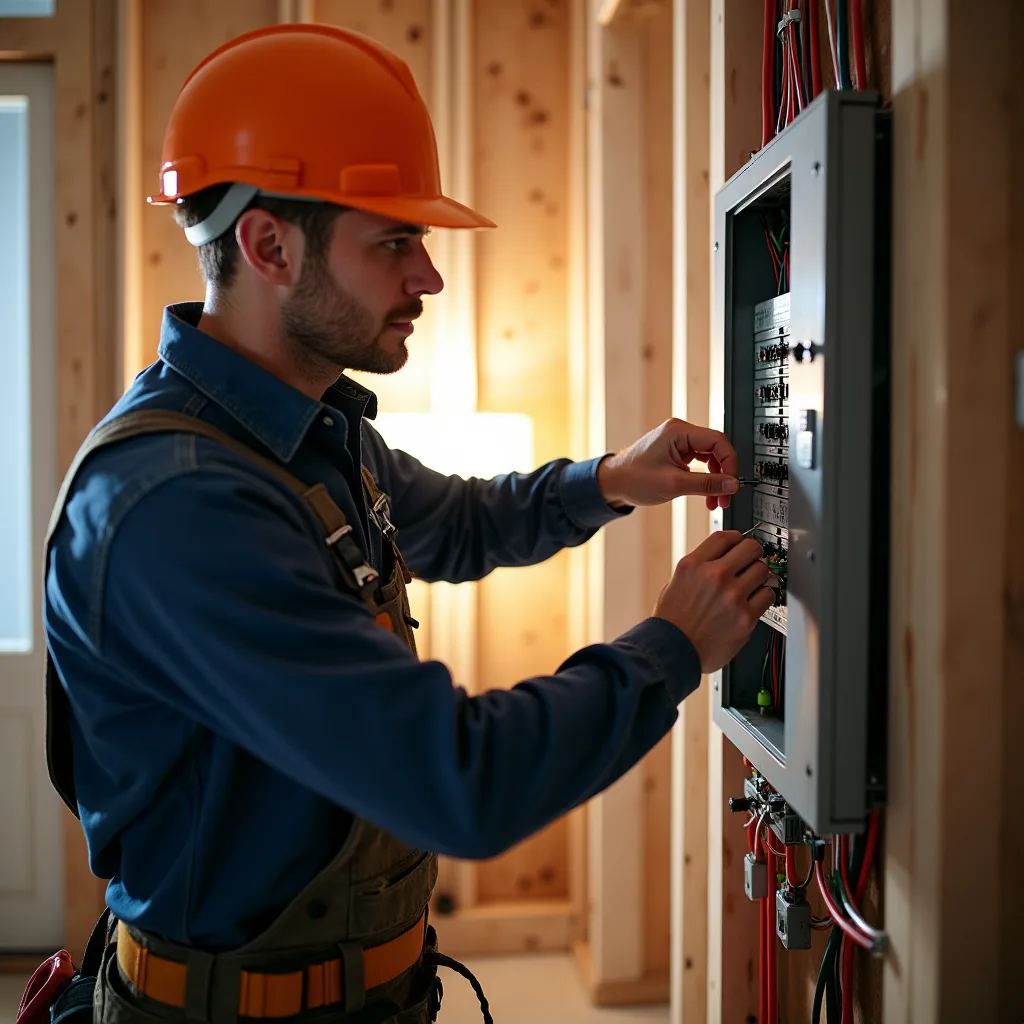
Plumber: training, licence and pay
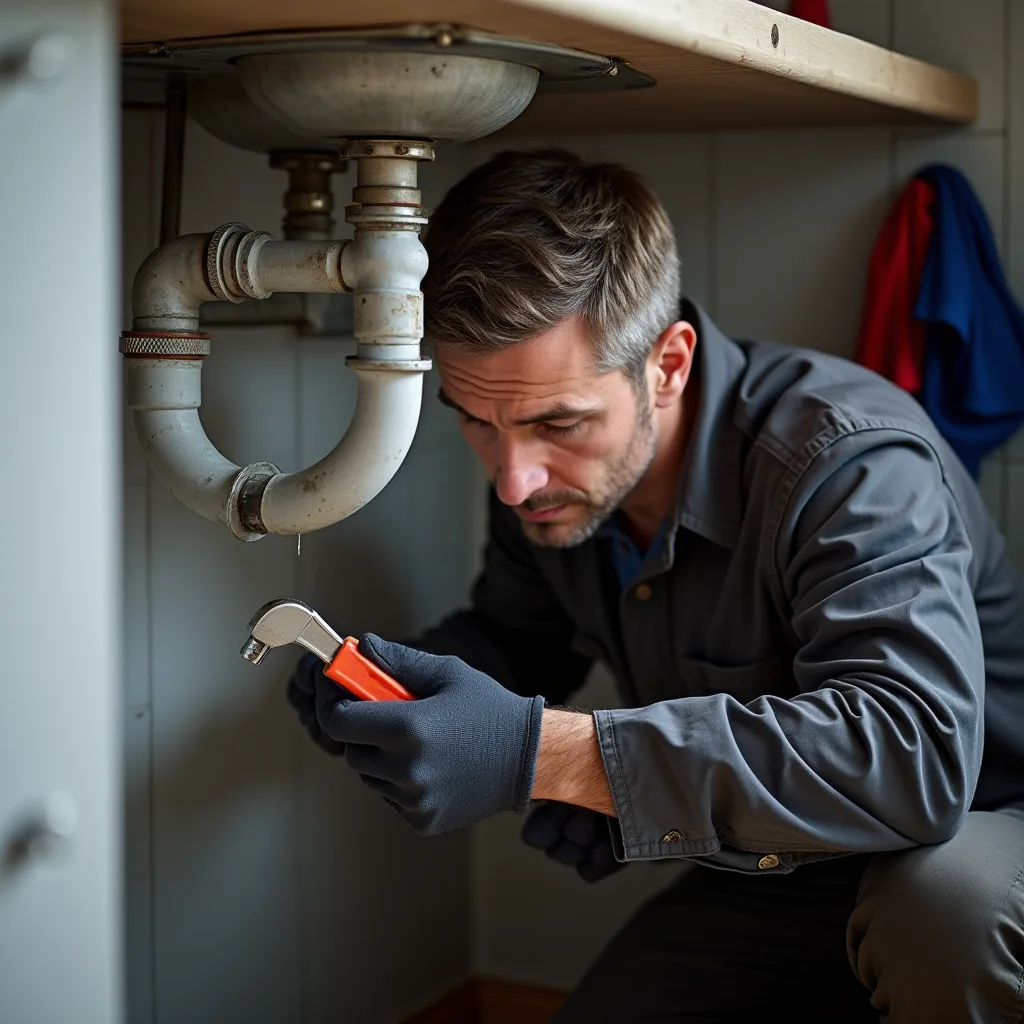
Sunday, 11 p.m. A pipe has burst under the sink, water is pouring into the cabinet and the homeowner is panicking on the phone. The person they call is the plumber. The trade doesn't lack work, but you can't improvise it: a diploma, apprenticeship hours, certificates and, if you want to go out on your own, a licence. Here's how to become a plumber in Québec, step by step, with the real numbers.
The trade: new builds, repairs and emergencies
A plumber installs, repairs and maintains a building's water supply, sewer and drainage piping, along with the fixtures connected to it: water heaters, sinks, toilets, showers, drains. In the construction industry, the Commission de la construction du Québec (CCQ) classifies plumber as a specialty of the pipe fitter trade (tuyauteur), alongside heating equipment installer.
In practice, three worlds coexist. On construction sites, you install piping in new or renovated buildings: according to the CCQ, 75% of pipe fitters' work volume in 2025 was in the institutional and commercial sector, and 14% in residential. In service, you go from house to house for a leak, a water heater, a clogged drain. And in maintenance, you work for a building, a hospital or a plant.
Emergencies are part of the job, especially in service. Many companies run an evening and weekend on-call rotation. Before accepting a position, ask how it works: how often, how waiting time and calls are paid, with which vehicle. Also note that the right to refuse work announced less than five days in advance doesn't apply when the nature of the duties requires the employee to remain available.
Do it today: pick the world that appeals to you most (construction, service or maintenance). It will guide your internships and your first applications.
Training: a DVS of about 14 months
The way in is the Diploma of Vocational Studies (DVS) in Plumbing and Heating (5833), or Plomberie et chauffage (5333) in French. It's 1,680 hours long, or about 14 months. According to the CCQ fact sheet, it's offered in regions including the Laurentides, Montréal, Montérégie, Capitale-Nationale, Estrie and Outaouais.
To be admitted, you only need to meet one of these conditions:
- hold a high school diploma or the equivalent (or a DEC or a bachelor's degree);
- be at least 16 on September 30 and have Secondary IV credits in language of instruction, second language and math;
- be at least 18 and pass the General Development Test (GDT), with the specific prerequisites;
- have Secondary III credits and take the missing general education courses at the same time.
The CCQ also mentions paid work-study programs: part of the training takes place in a company, with pay. According to Québec.ca, the placement rate for graduates of the 5333 DVS is 90.8%.
Do it today: check which prerequisites you already have (your high school transcript) and find the training centre closest to you.
Apprenticeship and certificates: CCQ or outside construction
This is where a lot of people get mixed up. There are two systems, depending on where you work.
On construction sites (CCQ)
- Apprentice competency certificate (CCA): with your DVS, you give the CCQ a job guarantee of at least 150 hours, spread over no more than three consecutive months, from an employer registered with the CCQ. You also need to pass the 30-hour general health and safety course for construction sites.
- Apprenticeship: four periods of 2,000 hours, or 8,000 hours in total.
- Journeyperson competency certificate (CCC): you get it by passing the provincial qualification exam.
Outside construction sites
To install, maintain or repair a plumbing system outside construction sites as defined by the CCQ, the Québec government requires the plumbing certificate (CP). The path: an apprentice card, at least 4,000 hours of apprenticeship in a company under the supervision of a certified worker, mandatory training (plumbing code, blueprint reading, health and safety), then a 3-hour written exam (40 to 50 questions, 60% pass mark). The certificate is valid for four years. A CCQ journeyperson certificate or a Red Seal certificate entitles you to the CP with no other requirements.
Do it today: ask every potential employer whether their work falls under the CCQ or not. The answer tells you which logbook to fill in.
Pay: what the official numbers say
On Québec.ca, the "Plombiers / plombières" page shows an hourly wage based on the 2023 to 2025 average: $24.00 minimum, $40.00 median and $46.00 maximum. Job prospects for 2025-2029 are rated excellent for Québec as a whole.
On construction sites, rates are set by collective agreements. Here are the ones the CCQ published for August 2026:
| Status | Light residential | Industrial, institutional and commercial |
|---|---|---|
| Apprentice, 1st period | $23.93/h | $25.40/h |
| Apprentice, 2nd period | $28.72/h | $30.47/h |
| Apprentice, 3rd period | $33.50/h | $35.55/h |
| Apprentice, 4th period | $40.68/h | $43.17/h |
| Journeyperson | $47.85/h | $50.79/h |
According to the CCQ, the average annual salary of a journeyperson pipe fitter who worked at least 500 hours in 2025 was $89,107 (bonuses, overtime and allowances included). The gaps come mainly from four things: the sector, your apprenticeship period, the hours actually worked and on-call duty. Outside construction, pay is negotiated with the employer, above the minimum wage.
Do it today: when you get an offer, ask for the rate, the sector, the target number of hours per week and how on-call duty is paid. Then compare with this table.
The contractor licence: going out on your own
Opening your own plumbing business takes more than a journeyperson certificate. You need a contractor licence from the Régie du bâtiment du Québec (RBQ) with subclass 15.5, Contractor - plumbing. For plumbing and heating, the Corporation des maîtres mécaniciens en tuyauterie du Québec (CMMTQ) acts as the RBQ's mandatary: it qualifies contractors, administers the exams and issues the licences.
The steps described by the RBQ:
- choose your business structure and register it with the Registraire des entreprises (not needed for someone doing business under their own name);
- designate a respondent who passes the assessments in four areas: administration, construction site safety management, project and site management, and execution of the work;
- provide a $20,000 licence bond for a specialty contractor;
- fill out the form and pay the fees.
For the business side (registration, taxes, pricing), read Becoming self-employed in Quebec: the steps from A to Z. And on GPP Emploi, self-employed workers respond to quote requests with the same account; some construction work requires a verified RBQ licence to submit a quote.
Do it today: if running a business tempts you down the road, start writing down your hours and the types of jobs you do now. That record will help with the assessments.
Getting hired as an apprentice or journeyperson
A new graduate's first challenge is often the 150-hour job guarantee. Small service companies and renovation contractors are good ways in: they need hands for water heaters, bathrooms and emergencies. Building maintenance worker is also a neighbouring trade where many people learn the basics; read Building maintenance worker and janitor: tasks and pay to compare.
On GPP Emploi, your profile takes about 3 minutes, no résumé needed. Add your competency certificate, ASP Construction card and driver's licence to your Passport: our team checks licences against the public register, then a badge appears. Also tick your evening and weekend availability if you accept on-call work. Job offers and profiles for the trade are in the plumbing section.
Comparing several hands-on trades before you choose? The guide Snow removal worker in Quebec: pay, hours, licences and how to get hired shows how to read pay, schedules and permits in another trade where night calls are part of daily life.
Do it today: create your free profile and add your cards to your Passport.
The bottom line
Plumbing means a DVS, thousands of apprenticeship hours and an exam, but it's also a trade where people are waiting for you. Start with the right diploma, keep your logbook in order and aim for your journeyperson certificate: the licence can come later, if you want it.
Frequently asked questions
How long does it take to become a plumber in Québec?
The Plumbing and Heating DVS is 1,680 hours, or about 14 months. On construction sites, you then need four apprenticeship periods of 2,000 hours, or 8,000 hours, before the provincial qualification exam that leads to the journeyperson certificate.
How much does a plumber make in Québec?
According to Québec.ca, the average hourly wage for 2023 to 2025 ranges from $24.00 to $46.00, with a median of $40.00. On construction sites, the CCQ published August 2026 rates from $23.93 to $50.87 an hour depending on the sector and apprentice or journeyperson status.
Do you need an RBQ licence to be a plumber?
A salaried plumber doesn't need a contractor licence, but does need the certificate required for their work setting. To carry out work as a contractor, you need an RBQ licence with subclass 15.5, issued by the CMMTQ for plumbing.
Can you work in plumbing without a DVS?
On construction sites, there are other routes to the apprentice certificate, for example when the CCQ opens a labour pool because of a shortage, or by having your experience recognized. They have their own conditions; check your situation with the CCQ.
What's the difference between a plumber and a pipe fitter?
In Québec's construction industry, pipe fitter (tuyauteur) is the name of the trade, and plumber is one of its two specialties, along with heating equipment installer. The plumber handles water supply, sewer and drainage.